
Food approval of ceramics: How a Danish company safely achieved its goal
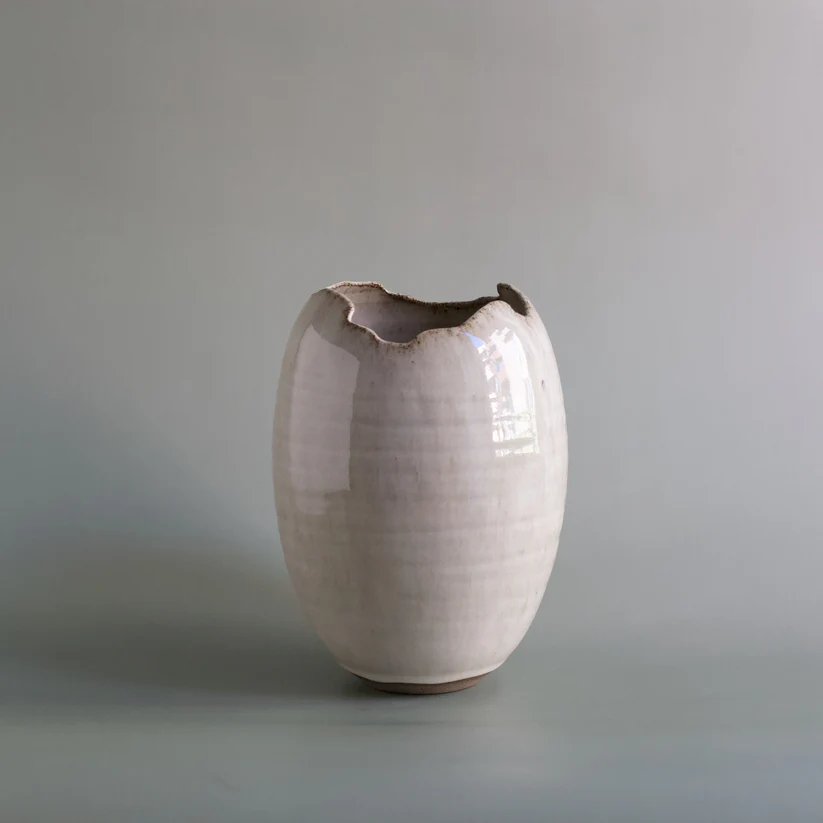
Several ceramic companies today develop their own glazes to create unique products and strong visual expressions. This provides creative freedom – but also requires documentation when the ceramics are to be used for food. This case shows how a Danish company managed food approval of ceramics and safely went through the process of migration testing and declarations of conformity.
Background: In-house developed glazes require documentation
The company Odd Boys Ceramic had long worked with their own glazes as a central part of their creative process. But when the products were to be sold for use with food, the need arose to ensure that everything met EU regulations for food contact materials.
“We develop our own glazes for the ceramics. It’s an important part of our creative process – but it also meant we had to ensure that everything meets the requirements for food contact.” Anders K., Odd Boys Ceramic
Food approval of ceramics – the challenge
Before the ceramics could be sold, the company had to conduct a migration test and prepare a Declaration of Compliance. Both are necessary to document that the ceramics and glazes are safe for contact with food.
“We contacted FCMtesting in connection with the approval of our ceramics. A migration test was to be conducted and we needed help with the process.” Anders K., Odd Boys Ceramic
Collaboration with FCMtesting
At FCMtesting, the company was guided through the entire process – from clarification of needs to completed documentation. The testing process was planned, executed and responded to quickly, and the company received both professional sparring and practical help along the way.
“The process has been great all the way through. We have received good guidance and had in-depth conversations. In addition, the ceramics were quickly tested, and we quickly received answers to the migration test. We also received help in making the Declaration of Compliance.” Anders K., Odd Boys Ceramic
The result: Safety and creative freedom
With migration testing and a Declaration of Compliance in place, the company could put their ceramics on sale – with full assurance that the products meet legal requirements.
“The result is that we can now sell our ceramics with a clear conscience. This has given us the opportunity to continue developing our own glazes while offering safe products to our customers.” Anders K., Odd Boys Ceramic
The company thus had proper documentation, the opportunity to continue developing new glazes, and the assurance that their products were safe for consumers.
A challenge many ceramics companies face
This case is far from unique. Many ceramists ask:
How do we ensure that our ceramics comply with food contact regulations? How do we manage migration tests and Declarations of Compliance? How can we continue to develop new glazes without compromising on legislation?
At FCMtesting, we help companies with precisely these challenges - so they can focus on their craft and design, while we ensure that testing and documentation are in order.
Do you have a similar challenge?
We are happy to help assess materials, documentation and compliance in practice.
Contact us for a non-binding professional dialogue.
Read more about the EU requirements for ceramics and glazes in food contact materials in the Ceramics Directive (84/500/EEC) here